
Hip Pain and Diagnosis | Pre op | The operation | Post op Hospital stay | Recovery at Home | Positives | Challenges | Tips and Tricks
The goal of this blog is to describe my experience with hip dysplasia and going through hip arthroscopy+periacetabular osteotomy (scope+PAO) surgeries. It is very important to understand that this is just my experience and each person will have varying symptoms, surgical needs, recovery, and outcomes.
Hip Pain and Diagnosis
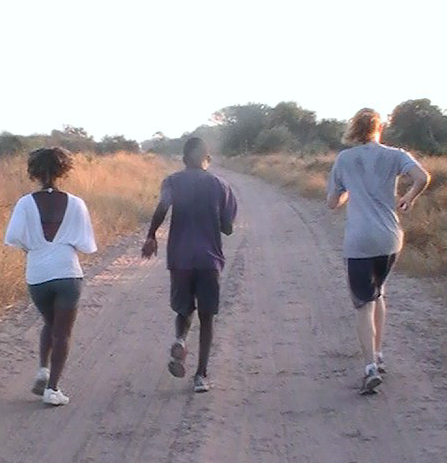
I first felt pain in my hip in 2012, when I was 24-years-old and working as a volunteer in the Peace Corps in the country of Mozambique. It started from a slight slip in a shower. I had gotten used to the rough surface of my latrine floor against my thin sandals as I bathed myself with cool water. When I went to a conference in the capital city to meet up with the other Peace Corps volunteers, I was excited stay in a hotel for a few days and have a western-style shower. Unfortunately, the perfectly smooth surface of the shower would be my enemy. I slipped in the shower and felt a moderately sharp sting in my left hip (side and front). I finished the shower, walked it off the rest of the day, and forgot about the pain completely. The next morning, I put on my running shoes and did about 20 minutes of running before the pain overcame me and I waked back to the hotel. I rested for the duration of the conference and returned to my village.
Once back home, I wanted to jump back into my normal running routine of running 40-60 minutes on the dirt roads of the village before work. Running has been a significant part of my life since I started running when I was 10 years old. I love the sport! I ran in cross country and track. I continued to enjoy running after high school and even had Mozambican running buddies in the Peace Corps. The first day (after resting for about four days) was mildly painful and the next day was my breaking point. I limped back home and realized that I did in fact have an injury. With no ice available, I purchased locally made chili-based balm for arthritis. It helped warm the painful side and front of my hip. I also took some ibuprofen and Tylenol for about a week. I had a slight limp which resolved after taking it easy for a couple weeks. I didn't run for the next four months and just focused on work and travels. The pain subsided.
After those four months, I started running again, while incorporating some strength and cross training. I could manage to run easy to moderate runs but my left hip always ached if I pushed it too much. I also experienced hamstring pain and foot pain following a couple of races. After each bout of pain, I would take it easy for several weeks and then return to activity. After prolonged time of pain during activity in 2014, I decided to schedule an appointment with a hip orthopedic surgeon to see if he could provide any insight. During the visit, Dr. LaReau diagnosed me with bilateral hip dysplasia from my x-rays. An MRI later showed a labral tear in the left hip. Since my right hip was not symptomatic at the time, there was no reason to do an MRI on the right. He recommended that I do physical therapy and check in once per year. I went to physical therapy for four months and got back to running again!
Over the next four years, I enjoyed running a few days a week. I also worked up to a couple longer runs with my local running club including one 14-mile and one 16-mile run. But the pain continued to progress and I returned to see Dr. LaReau in April of 2018. I stopped running completely in May. Even after I stopped running, my symptoms progressed quite rapidly. After spending a weekend playing with my nieces and nephew and driving in the car for several hours, I developed hamstring spasms, butt pain, and started to feel hip pain on all sides (including in the front, side, and groin). As a young active person, I prayed and finally made the decision to undergo the periacetabular osteotomy operation. The operation is for people with hip dysplasia to be able to preserve their own hip to prevent early-onset osteoarthritis and hip replacement.
Pre-op
Pre-operative period was very stressful, more so because I have a severe needle and hospital/medical office phobia. After my initial visit with Dr. LaReau, I got a new MRI, saw Dr. Domb, who would do the scope portion of the surgery to fix the labrum and clean up around the hip socket, and saw Dr. LaReau again where I confirmed that I wanted to proceed with the operation (this was in June). I waited a while to get the surgery date and finally received the date of September 4th which was earlier than I initially thought! I did pre op physical therapy during this time to help with the hamstring and hip flexor pain (mostly just soft tissue massage and light exercises). In addition, I did some light upper body weight lifting, abdominal exercises, and went to a clinical massage therapist for a few massages on my hip flexors and hamstrings. There were several pre-op appointments (both required and other), dealing with insurance, and getting house and help all coordinated. To be honest, it was a lot of work, like having a part-time job on top of my full time job.
My necessary pre-op appointments: Dr. LaReau, Dr. Domb, primary care PA pre-op visit, blood tests/EKG/MRSA test/chest x-ray
Other appointments: dentist, eye doctor, hair cut, yearly physical (mostly needed just to refill my thyroid medication), 3-year gynecologist check-up
Objects I purchased or were lended to me: object reacher, car cane portable handle, small cart that could hold objects and be rolled around the room, small tub and labeled baggies for medications (I thought I would use a pill box but labeled bags and tracking medication in a notebook was much easier since I had to take medication three times a day and had the pain and spasm medication just as needed), 1-2 notebooks, pens, toiletry travel bags, thank you cards, raised toilet seat, extra sweats and pjs, and stocked up on toiletries, frozen and pantry foods
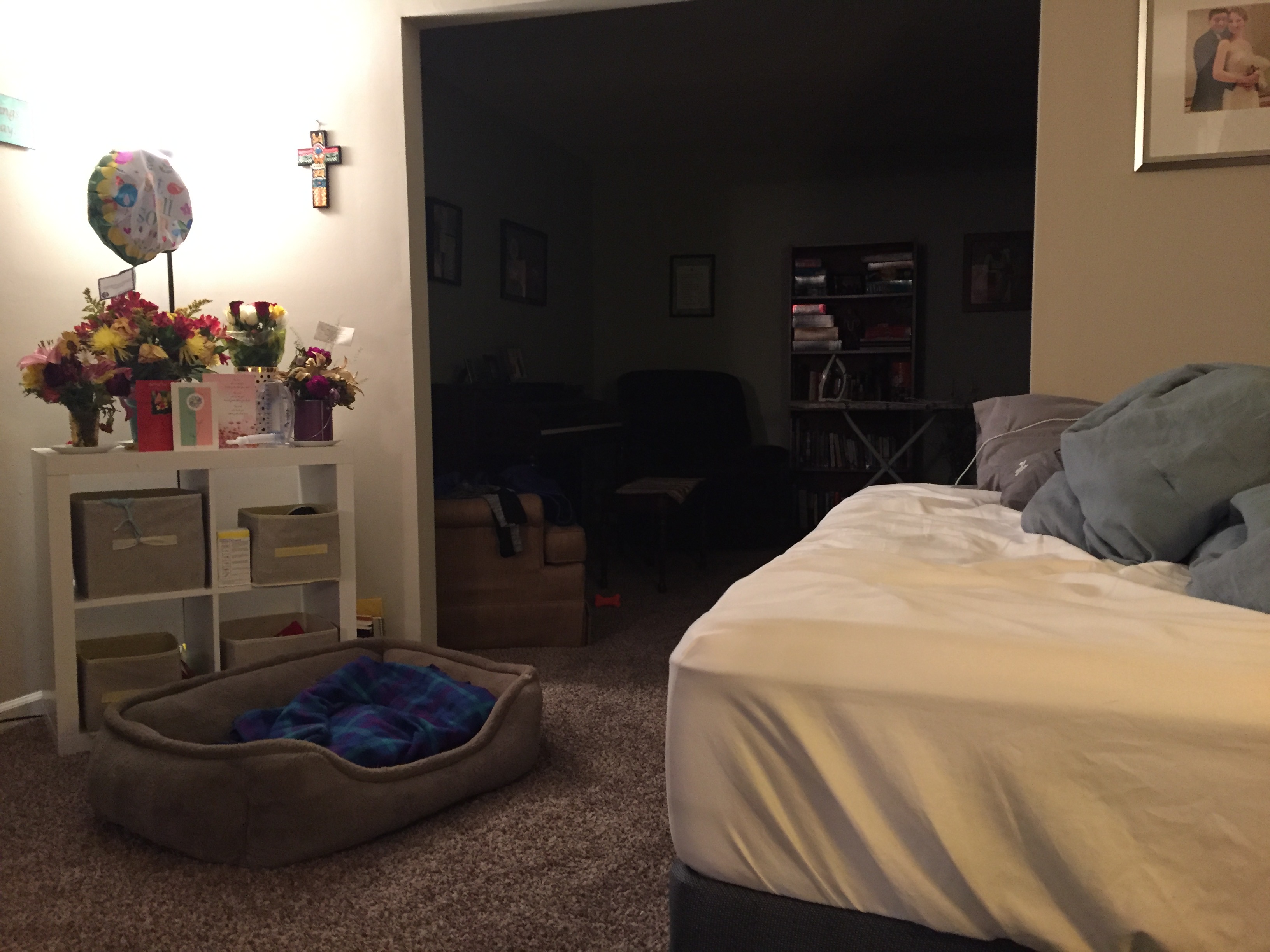
House preparations: Full guest bed moved to the first floor with several blankets and pillows since I'm typically a side sleeper (and I mean a lot of pillows!), all tripping hazards removed, temporary dresser with four lightweight cubbies from the dollar tree to store clothes, toiletries and towels moved into the guest bath (we don't have a full bath on our first floor).
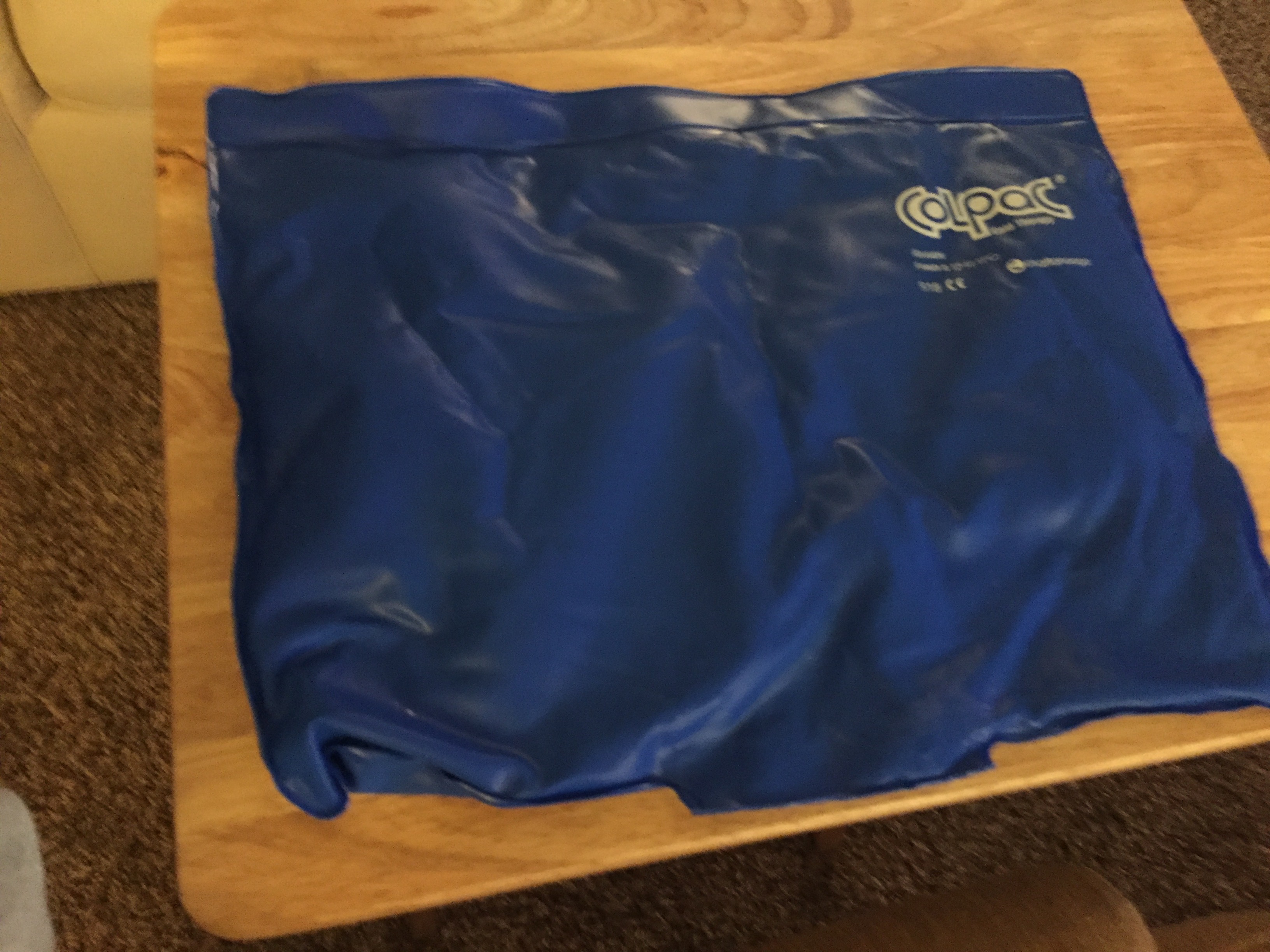
Things I purchased after the operation: scar cream, weight lifting gloves and padding for walker and crutches, Tylenol, Benadryl, anti-itch cream, two "Colpac" gel ice packs (great for molding around the hip, groin, and butt), boyfriend-style underwear (1 size larger so they wouldn't rub on the scars), gram crackers/saltines to take pain medication on an empty stomach first thing in the morning, cold-ez for cold prevention
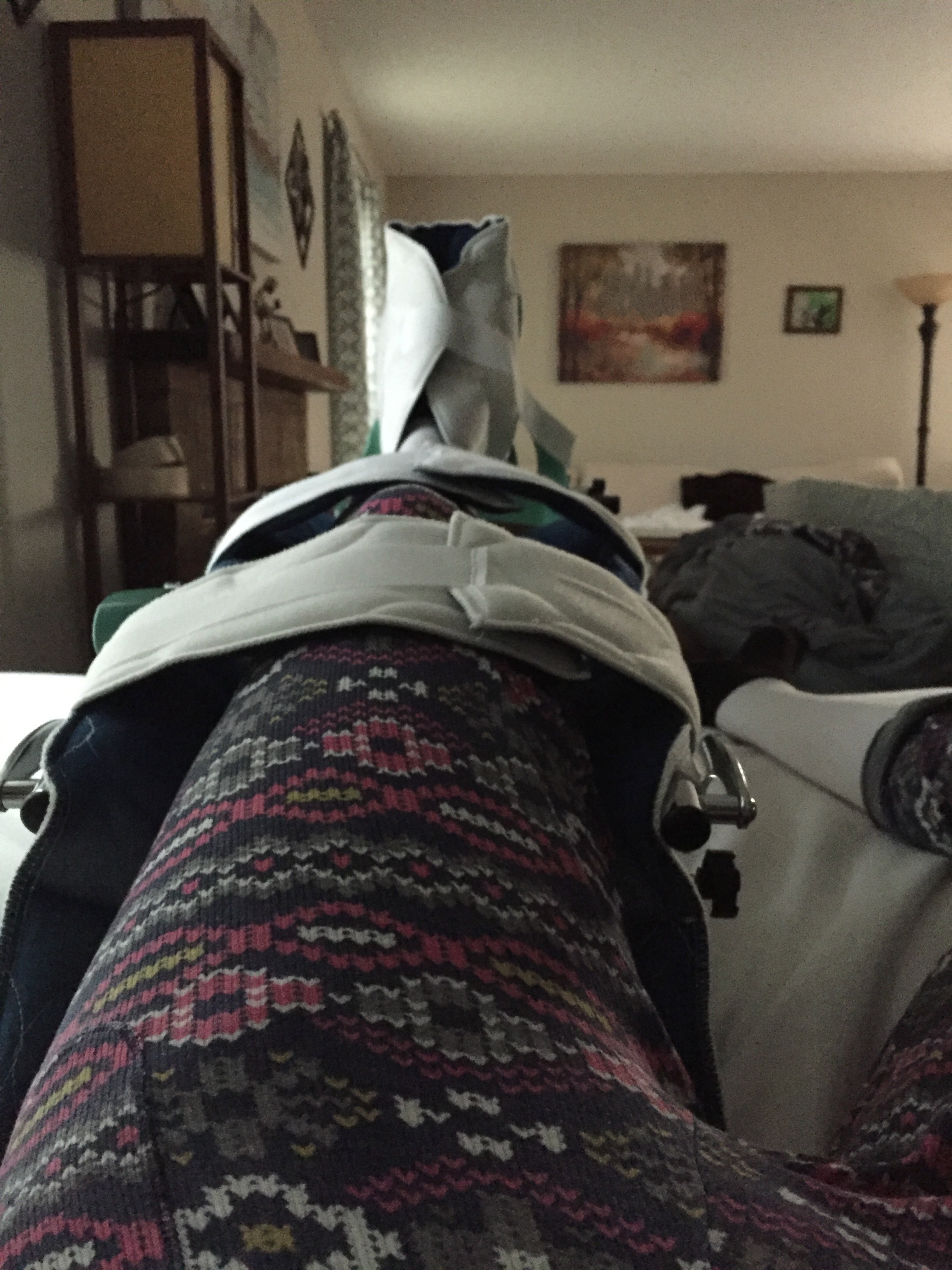
What I received from the hospital, covered by insurance and coordinated by surgeons' office/hospital: crutches, walker, rental wheelchair, foam leg wedge, and rental continuous passive motion (CPM) machine - from a different company, home health care
The Operation
Information on PAO and other treatment options for hip dysplasia: https://hipdysplasia.org/adult-hip-dysplasia/adult-treatments/
Journal article on combining scope and PAO: Domb, B., LaReau, J., & Redmond, J. M. (2014). Combined Hip Arthroscopy and Periacetabular Osteotomy: Indications, Advantages, Technique, and Complications. Arthroscopy Techniques, 3(1), e95–e100. http://doi.org/10.1016/j.eats.2013.09.002
Night and morning before: I followed instructions regarding food, water, and gatorade intake. I also used the pre surgical wash the night before and morning of the operation. (I also shaved my legs and arm pits the night before.)
What we brought to the hospital: Comfy blanket, two pillows, one regular, one small, some snacks/foods I like, toothbrush, toothpaste, comfy pants, t-shirts, long sleeve shirts, underwear, socks, phone and long phone charger, two books (that I didn’t end up using).
Day of the operation (September 4, 2018): We arrived at 6:00am and I was allowed to bring my husband in for the pre surgery preparation. Prep included putting on my TED hose (to prevent blood clots) , changing into my gown, peeing in a cup, getting the IV, putting “goop” in my nose to prevent MRSA, use a mouthwash to prevent infection, meeting the anesthesiologist, signing some papers. Then I finally got an anti anxiety medication through the IV and got the epidural which was pretty easy since the medication kicked in quickly. After the epidural was in, my parents were able to join us and stayed in for a while to meet the two surgeons and see me off to surgery. When they wheeled me into the operating room around 8:30am, I started to feel terrified. Thankfully, they put me under shortly thereafter.
I was told the scope for labral tear and clean up would be first, lead by Dr. Domb, and the PAO, lead by Dr. LaReau, would be second. I remember waking up when they called my name and shook my shoulder. They said everything is done and they were just stitching me up. I didn’t feel anything but just opened my eyes briefly and saw the bright surgical lights. I don’t remember anything in the recovery room and didn’t feel any pain since I had the epidural.
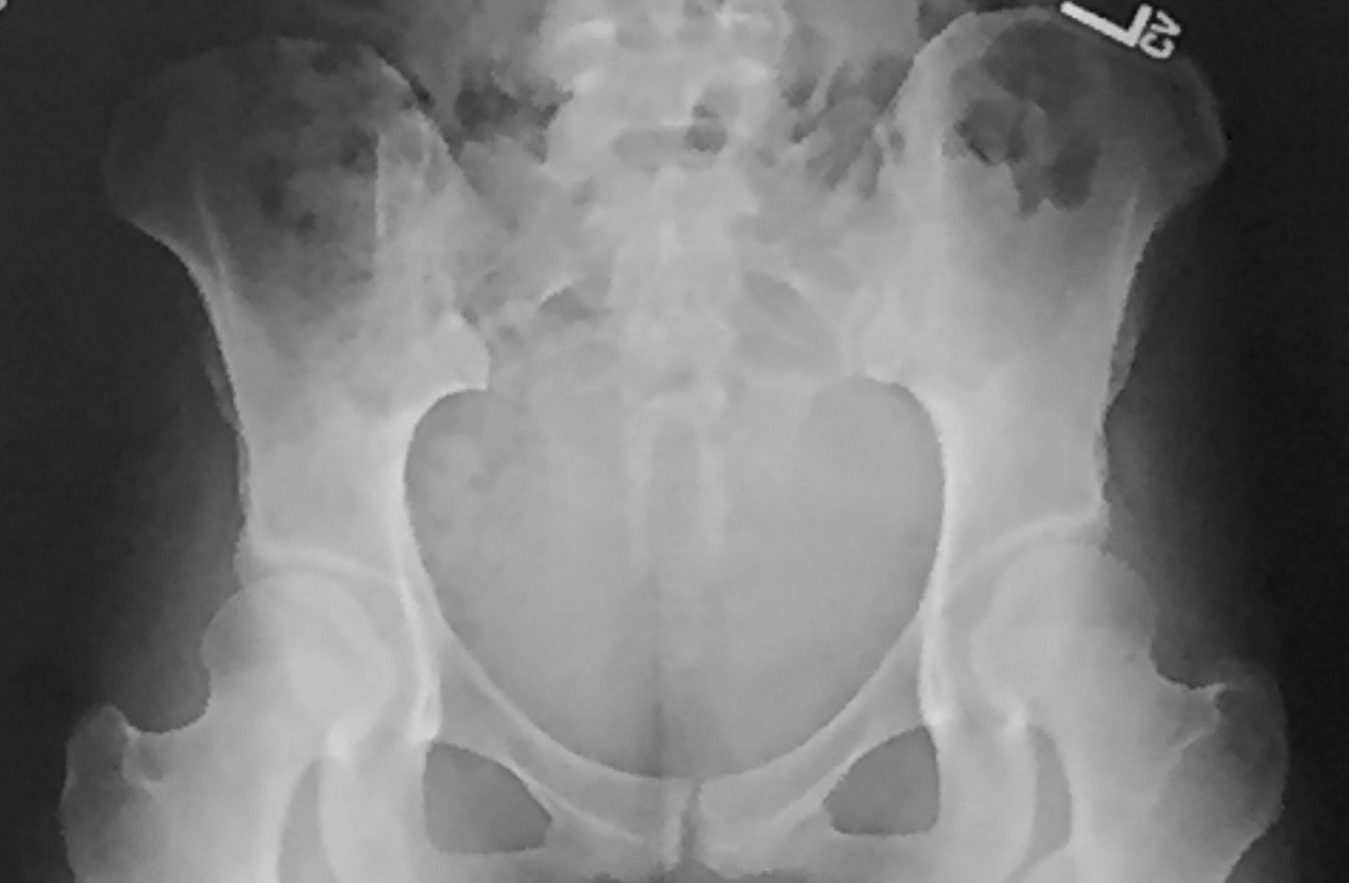
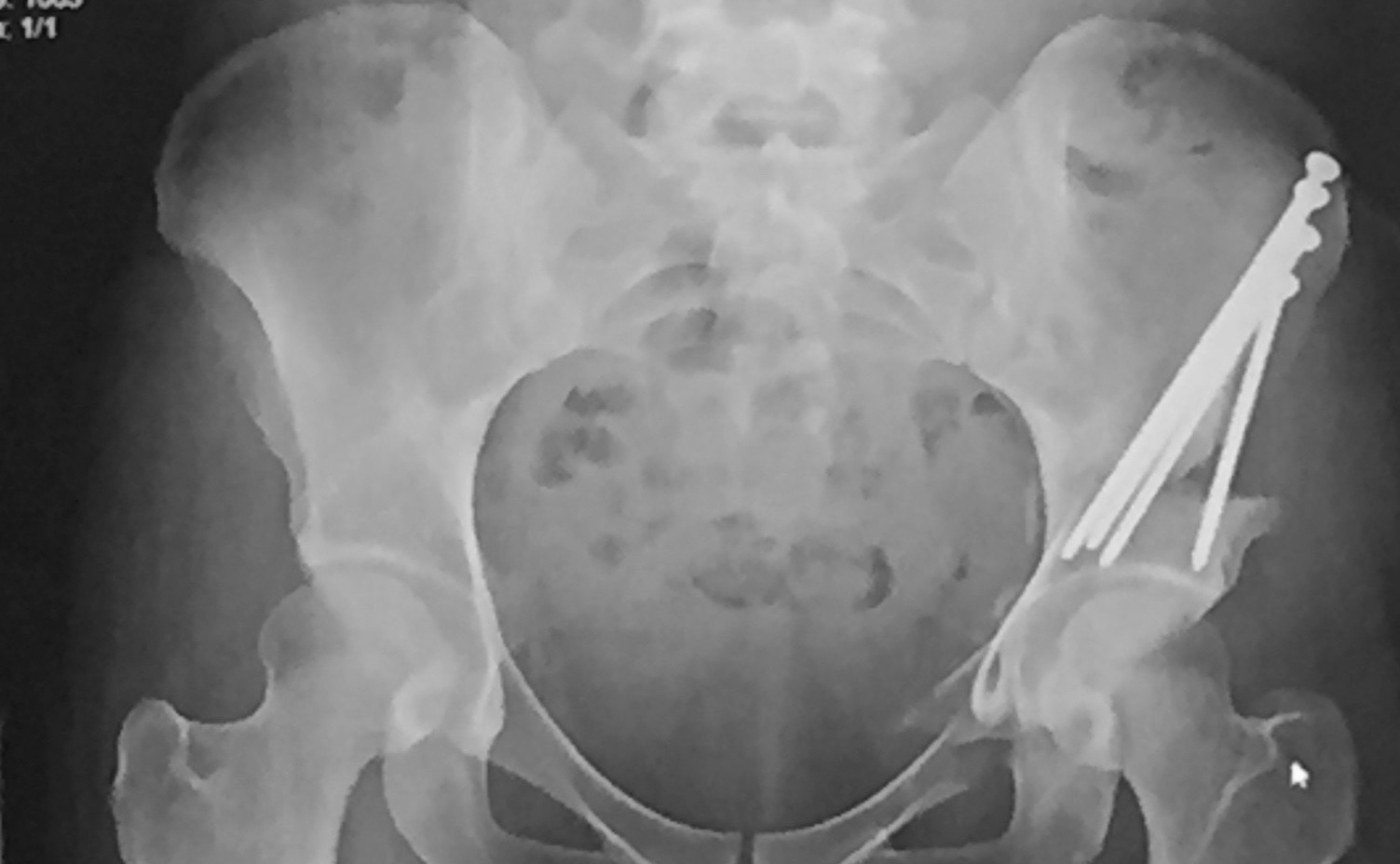
My family waited in the family area and received a few calls for updates. At the end of the surgery, Dr. LaReau gave my family the complete report that the surgery was all good (you can see my pre and post op coverage in the x-rays below). We were told the surgical time was about 5 hours with operating room prep and recovery around 8 hours. When they brought me into my room around 4:30pm, I saw my family and that woke me up right away. I asked how they were and if the surgery went okay. I remember feeling very concerned about them and even asked if they got lunch and had checked into the hotel.
Post-Op Hospital stay
First night: During the first night, I don’t remember having much pain and had no feeling in my legs. I didn't eat or do anything but lay there and slept off and on. I remember my family being there. My mom was able to stay the night and sleep on the fold out bed on the visitor side of my room. The nurses and nurses aids came in and out quite a bit during that first night to give me medications and monitor my vitals. I honestly don't remember too much, just that I had no pain or anxiety. All the staff were kind and compassionate. I felt like I was going to be sick at one point and they quickly gave me medication and I was able to go back to sleep.
Post op day one (POD 1): In the morning, I was pretty out of it but I remember waking up to seeing my husband, mom, and dad. I slowly realized I had the catheter, wound drain, IVs in both hands, and my leg was elevated on a foam wedge. They started me on Norco pain medication about an hour before the epidural came out. I ate a small breakfast late in the morning and rested while we waited for the epidural to ware off. I don't remember feeling too much pain until shortly before physical therapy started.
Unfortunately my pain went from 2 to 8 pretty quickly and the physical therapist came in to start PT. She lowered my leg from the wedge and the pain was horrendous. I remember the nurse asking me how bad was the pain from 1 to 10 and I could barely say through my crying and screaming, "Maybe a million." The nurses gave me IV Dilaudid and some other medications to calm me down. After a while (my husband said it was about 15 minutes) I felt another surge of pain - which I later realized was the physical therapist putting my leg back onto the wedge. It took a while for my pain to register on the pain scale but it finally did get to a 10 and then slowly stabilized back to a 5-6 after several hours. I slept for the rest of the day. Later than night, I was switched from Norco to Percocet to manage the pain.
I had several dark thoughts and strong emotions on the first day. I felt like I had failed since I didn't even make it out of bed. Through all of this, I was so thankful for my family and friends' encouragements and the compassion and attention of the nursing staff.
POD 2: I slept most of the night only to be awoken for vitals, to take medication, and to have my blood drawn for the lab. In the morning the pain was much more under control and they removed the catheter. My wound drain was also removed prior to getting out of bed. I felt a sense of relief to not be connected to different medical equipment but I was terrified because I didn't feel like I would be able to get out of bed. After a lot of work, I was finally able to make it out of bed with a walker. I was helped to the bathroom but was unable to "go". I required one straight catheter to prevent infection since my bladder was full. The nurse and aide were great and I was able to finally go to the bathroom later that day. The pain escalated up in the evening pretty bad but was finally managed by later that night and I was able to sleep. Overall, it was a slightly better day.
POD 3: On Friday morning, I was able to use the walker to go eight feet in the room, working with the PT to learn how to toe-touch and not put more than 1/6 of my body weight on my left leg. I had donated blood prior to surgery so they decided to run the transfusion. It wasn't a necessity, but it could possibly have helped with energy and healing. I was excited for the transfusion and assumed it would be helpful. Unfortunately, I had an intense reaction to the transfusion. I felt pain in my hand as if the skin was being slowly cut off and I had another bout of dark thoughts that I was being tortured for not doing well during physical therapy. They tried the other hand which was also extremely painful (well above a 10) and then I refused treatment. (Just fyi, this reaction is very rare and unlikely to happen, just bad luck I suppose.) After a few hours the pain and shaking subsided with IV Dilaudid and other medications. Mentally, it took me hours to recover. What helped me the most were assurances from my mom and husband that I had done nothing wrong and reminding me how strong I was. I did not feel strong but I prayed to God for his strength. What I also appreciated again was the caring nature of the nurses and aides. They did their best to make me feel comfortable and help encourage me.
After the pain was somewhat bearable, I was determined to get up and walk so that I could go home. I walked outside of the room with the walker and then requested crutches. It was so painful but I was determined to do what I needed to do - not for anyone else, but for myself. I decided it was time that I took control and not be afraid of the pain. And good thing I decided not to be afraid of the pain because boy, did it return with a vengeance. My pain was off the charts (crying, shaking and teeth chattering - the whole bit) and the medical team gave me multiple pain medications. I don't have any recollection of Friday night; which was probably a good thing.
POD 4: From the intensity of the day before, I had a lot of medications in my system to manage pain, spasms and anxiety. I don't remember a lot but apparently I couldn't really eat or hold a conversation. Later in the day, I was able to use the crutches and do a couple laps around the floor but the physical therapist would not allow me to try the stairs since I was so out of it with all the medication. I was frustrated at first but she was absolutely right. It was a better day overall.
POD 5: I woke up ready to go and was able to use the crutches better and do stairs during the physical therapy session. It was then that I was allowed to be discharged. We informed them that we lived an hour away and wanted to makes sure I was medicated before the drive home. My in-laws helped by taking the wheelchair to our house and my husband and mom fit in the rest of the mobility equipment and luggage into the car. Once I was home, I went to the restroom then right to bed. It was only then that I really realized how heavy my left leg and hip felt and noticed some numbness on the side and front of my upper leg. I needed help lifting the hip in and out of bed or a sofa chair for the next two weeks. I went home with prescriptions for following medications: Gabapentin (for nerve pain), Celebrex, stool softener, and Percocet and Valium as needed for pain and spasms. I was also taking 2400 IU vitamin D, calcium, and a healthy blood supplement (all which I was also taking several months prior to the surgery).
Recovery at home
POD 6: Waking up at home was wonderful but I needed 24 hour care. Since my husband had to go back to work, my mom stayed with us for the next five days. I stayed in bed much of the day. The first two weeks included using the CPM machine for two hours two times a day. I was able to get around on the walker but needed help getting my left leg on and off the bed or sofa chair. There was very little I could do by myself except brush my teeth, change my shirt, and wash my face with face wipes. I was so tired and weak. On that first day, we organized the house a bit, especially the medications. My mom took great care of me!
POD 7: Finally I got outside in the wheelchair for 45 minutes a week after surgery. It was amazing to see the sun! I was even somewhat able to push myself a bit in the wheelchair which gave me some mental strength. I also did several laps in the house on crutches. Later in the day, we used the wheelchair and my mom helped me take a full sponge bath and washed my hair. It felt great to be clean but was also a tiring day, maybe a little too much resulting in the need for a little more pain medication.
POD 8: We made a trip to the medical supplies store to get better gel ice packs. It was nice to walk into the store on my own (although I used the walker to maintain stability). With the swelling starting to go down, I felt the screws in my hip for the first time later in the afternoon after a CPM session and icing. It was a strange feeling but not painful. I also started to notice the discoloration in my op leg but was assured by Dr. LaReau's office that this is normal. When my legs were down (especially in the morning), it would look like I had a tan on the op leg. After raising it up again, the color would come back (hence the need for DVT protocol - ted hose and injections).
POD 9: Day nine had its high - gaining more independence with the walker/crutches and having another beautiful day for a walk in the wheelchair, and its low - getting a very terrible rash from around my knee to my ankle on my operative leg. The rash came on at night after I had dinner and took my evening medications and kept me up much of the night. We tried a variety of things including: Benadryl, multiple anti-itch creams, cleaning the ted hose and leaving them off at night, cleaning the leg with a paste of water and ground up oatmeal. The rash lasted about a week and impacted my sleep so I was happy when it finally dissipated.
Two week post-op visit: My dad stayed with us for the second week of recovery and drove me to my two week post-operative visit. My sutures from the scope were removed and I met with Dr. LaReau and his PA. The report was great and all four screws were in place as they should be. Although I had been weaning down a lot on the pain medication, I took a bit extra for the appointment since the drive was over an hour and I knew there would be x-rays and some physical assessments.
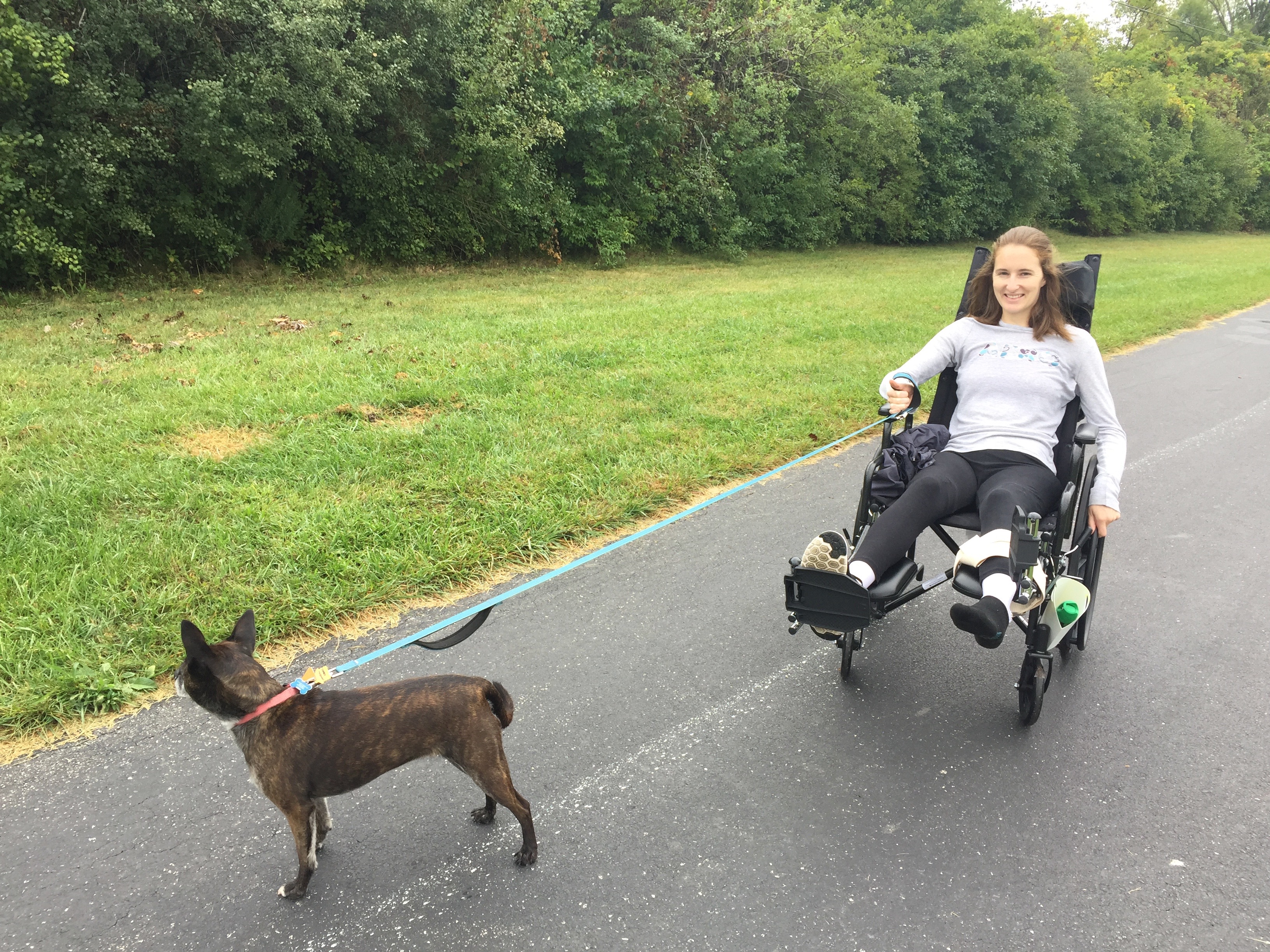
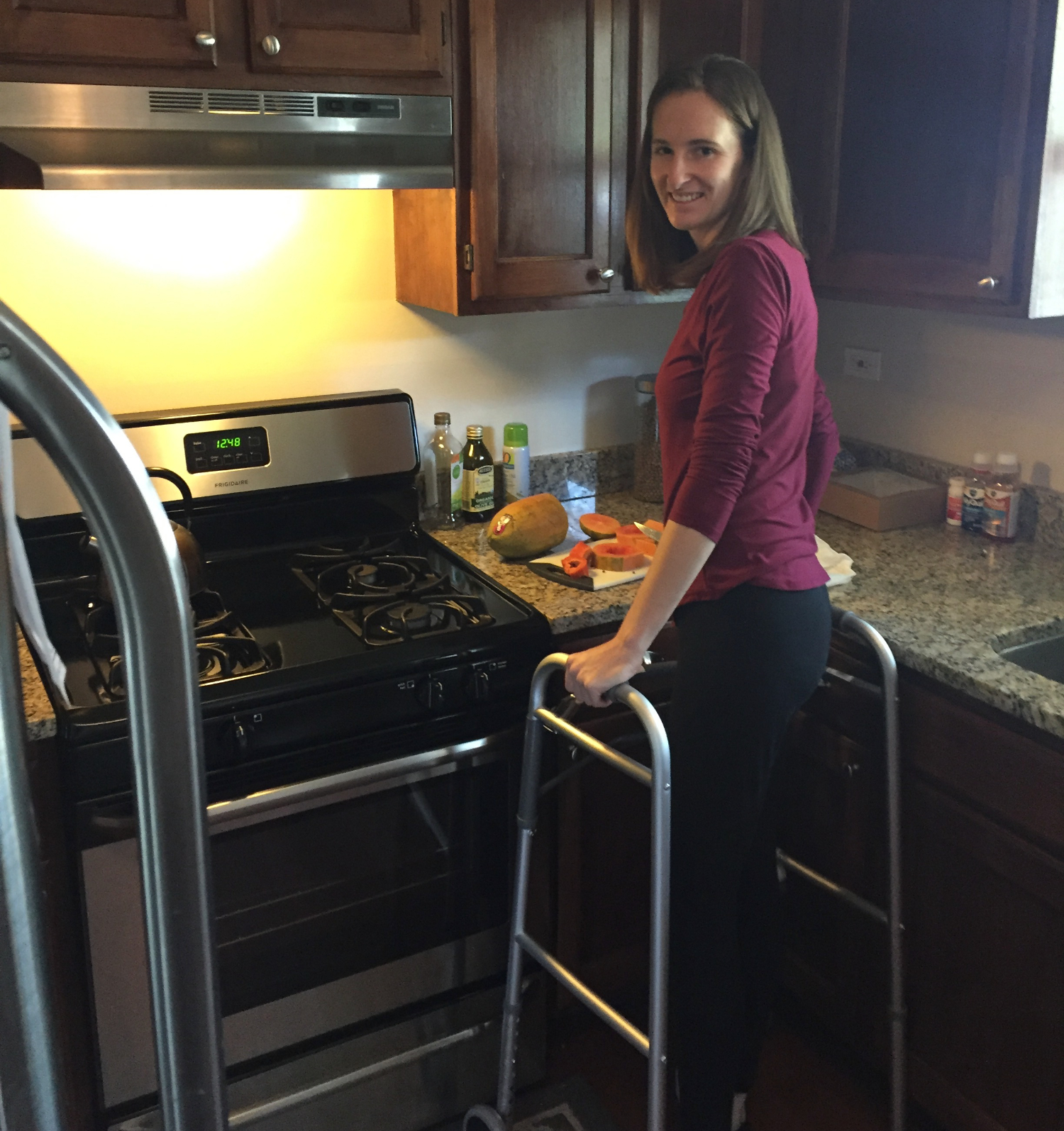
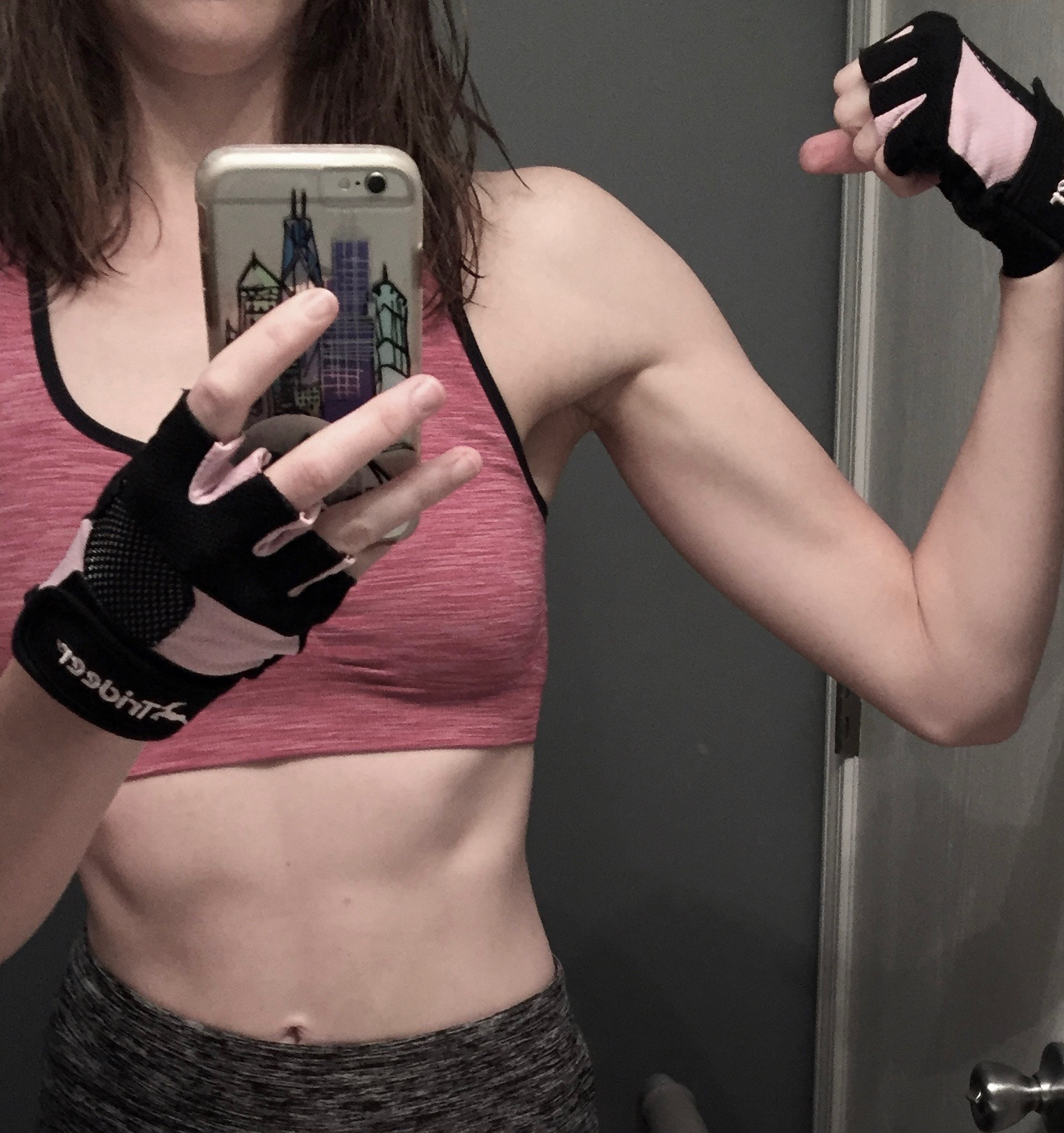
Second post-op week: My dad was with us during the second week and I got a few visitors from friends and neighbors. I got the all clear to move my operative leg by myself (with the help of my non-op leg and hands). I also became more mobile in the house and out and about (several trips to Walgreens, lol). Wheelchair walks continued to be great to get some outdoors time and walk the dog. My independence increased and I was able to take full "bucket" baths (like back in Mozambique) by myself, get in and out of bed and in and out of my sofa chair by myself, dress my self, and do some mild cooking and even a little cleaning. I also noticed that my arms were getting so strong which helped my confidence.
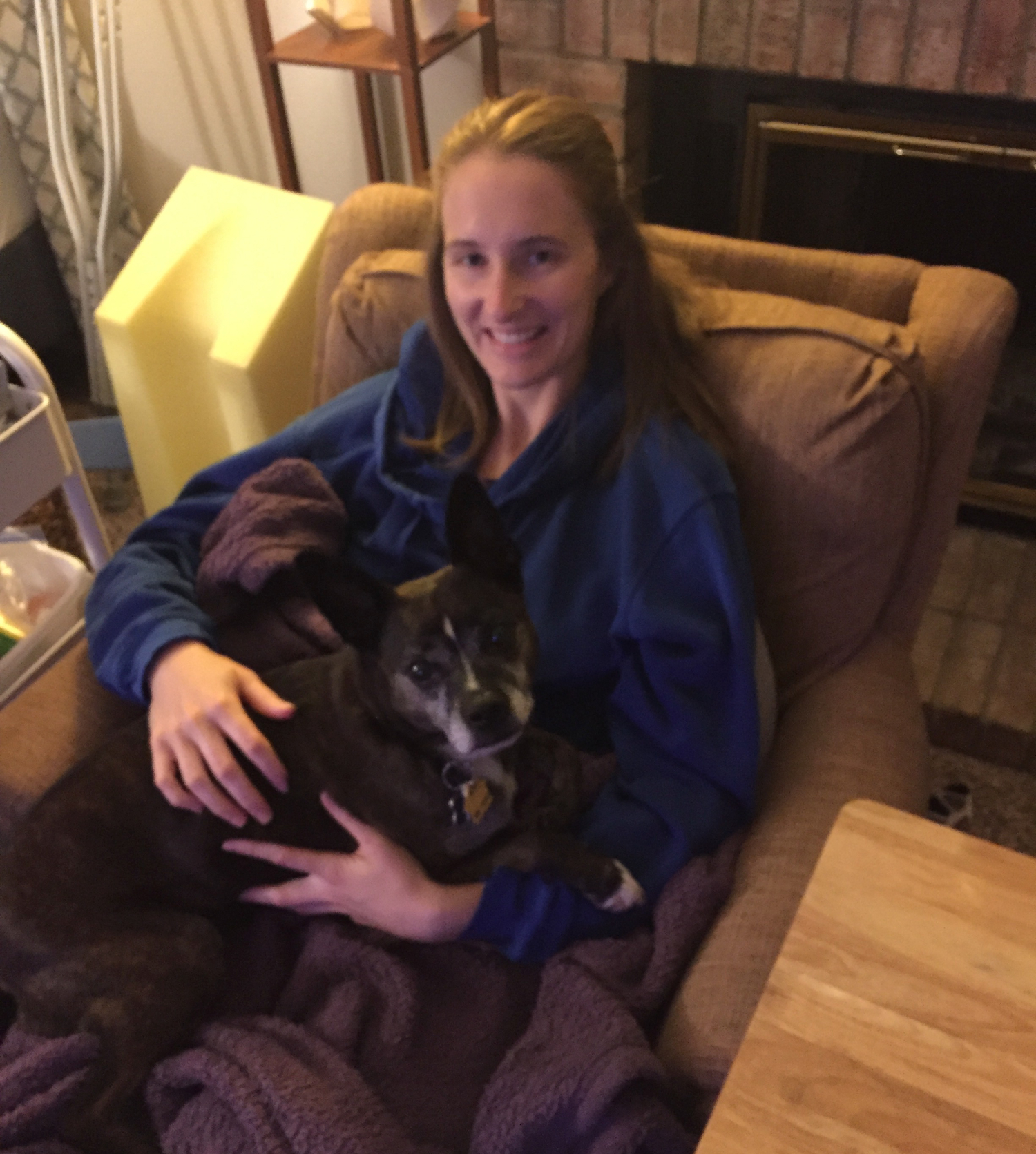
First post-op physical therapy appointment: I returned to my same pre-op physical therapist, Allan, for out-patient therapy starting on POD 17. The MD order was to do only one physical therapy appointment per week. Allan assessed how I was using the crutches and corrected my form. Then we reviewed some isometric exercises that I was given from the in-patient physical therapist and we added a resistance band to my foot pumps. He also did some moving of my leg within the range of motion that I was allowed. At the end, as I was icing, I noticed that my hip flexor started to spasm. Laying on the therapy table with the movement stretched out my hamstrings and hip flexors which was good but painful. I took some extra pain medication following the first visit. Overall, I think the session was a great start.
October 2nd (4 weeks Post-0p): My medication for Celebrex and Gabapentin ran out on the 23rd (POD 19) and I also decided to kick the final narcotic - the morning Percocet (I had been down to 1/2 a tablet for the week prior with extra-strength Tylenol in the afternoon). So I've been relying on Tylenol just as needed and the occasional 1/2 Valium at night for sleeping and overnight pain relief. The pain increased quite a bit initially (24th-27th), but I just adjusted my activity level (more rest and less crutching) and increased icing. The second physical therapy appointment went well. Athletico uses BRF rehabilitation (blood flow restriction) which should help maintain as much muscle as possible while allowing the hip to heal. I was pleasantly surprised that the post-PT pain was not as bad as the last week and I was feeling great by morning with just some slight stiffness.
Currently, my primary issue is that I'm only getting 4-6 hours of total sleep per night. I'm a side sleeper but I've been instructed to stay on my back until the next appointment (October 29th). I've been trying different solutions such as lots of pillows, sleeping part of the night in a recliner, deep breathing, and taking sleepy time tea and melatonin.
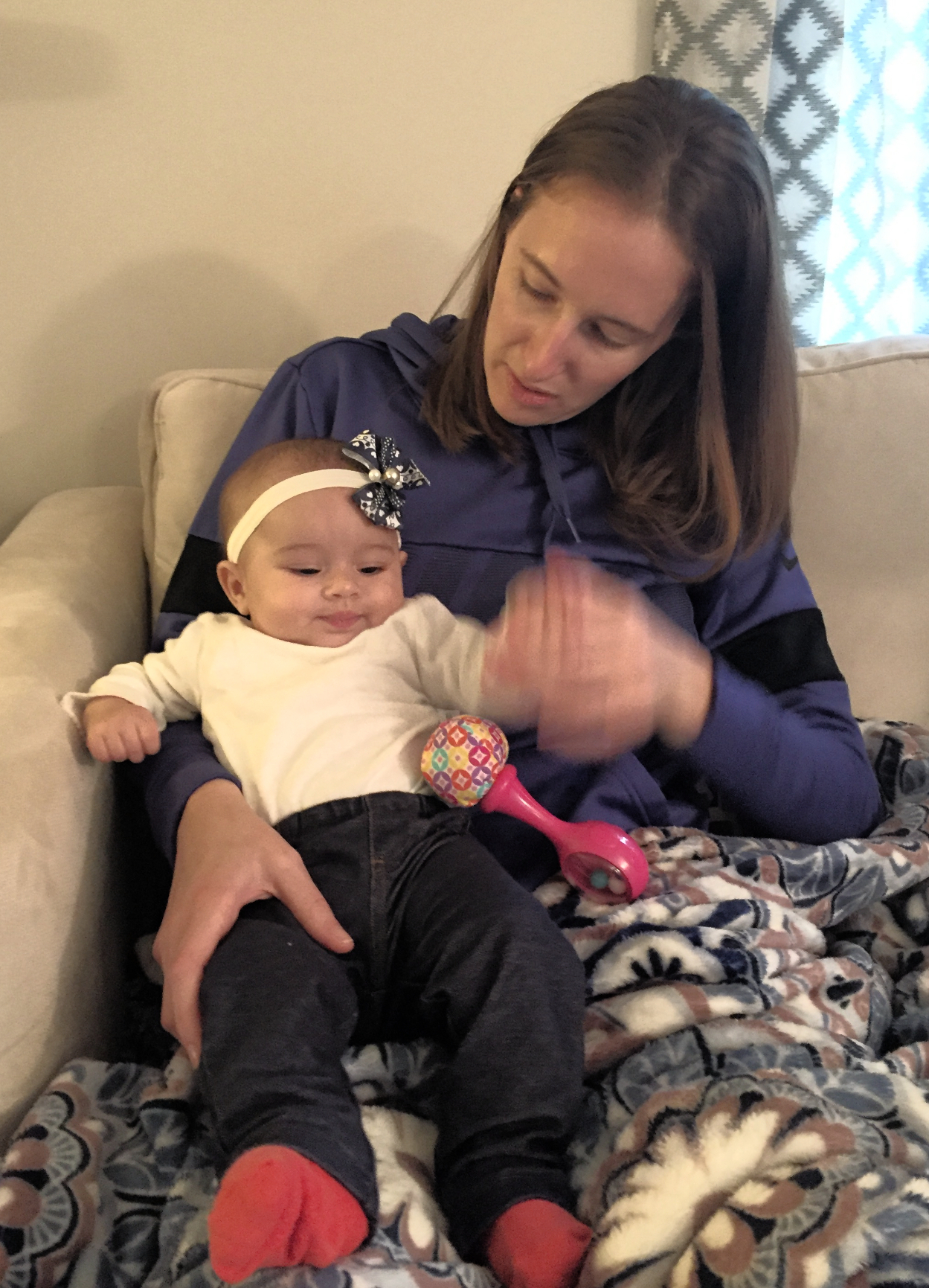
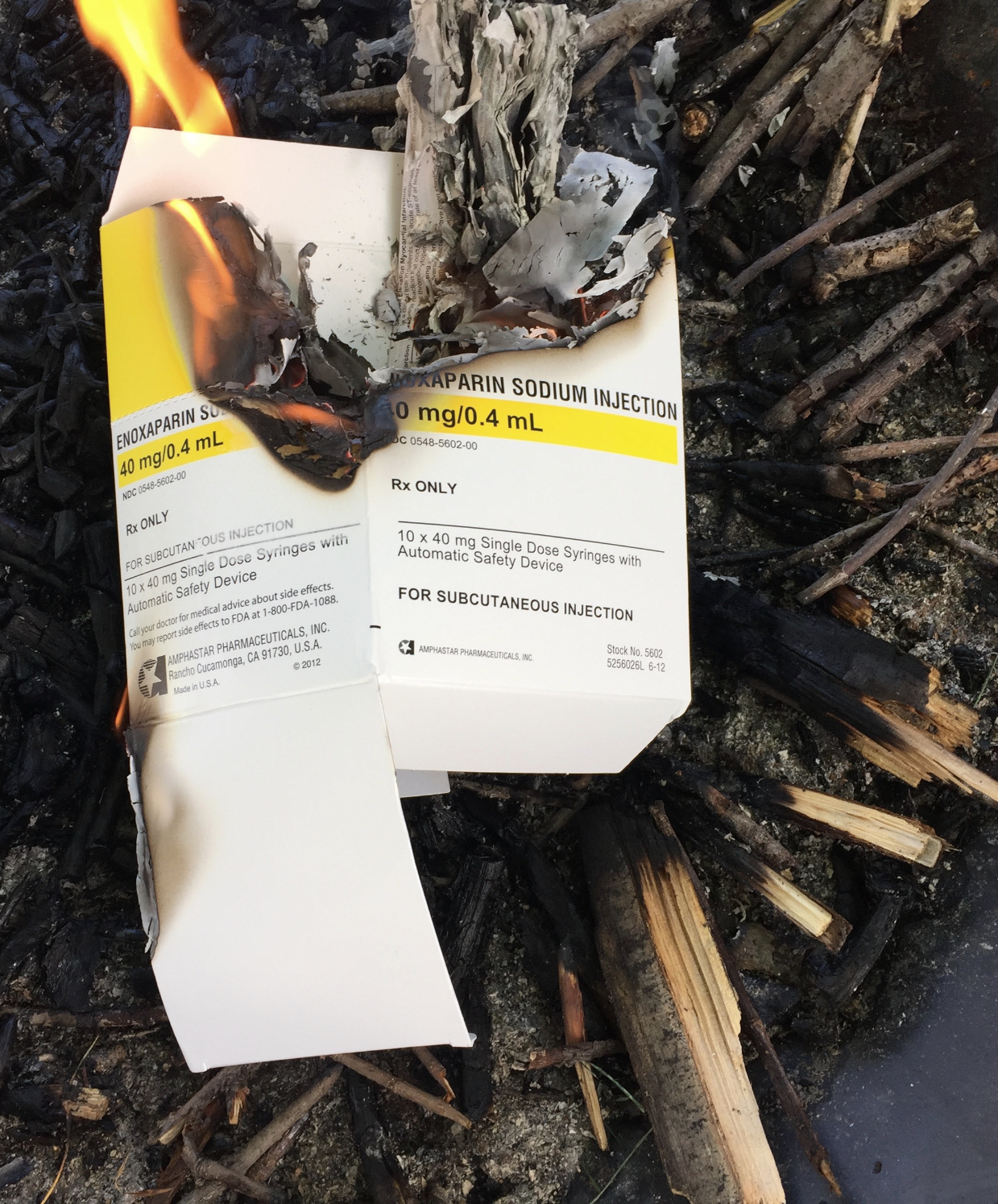
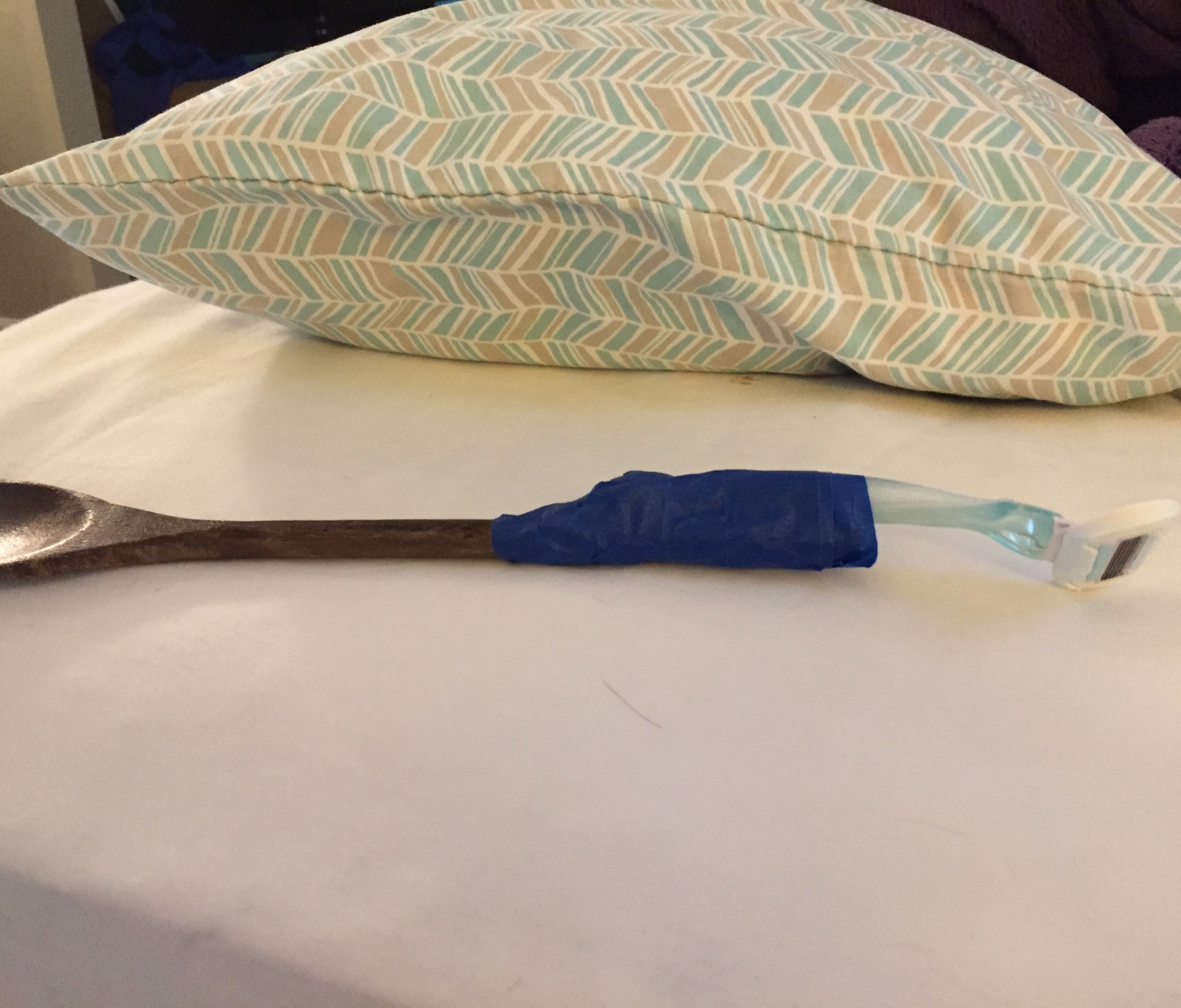
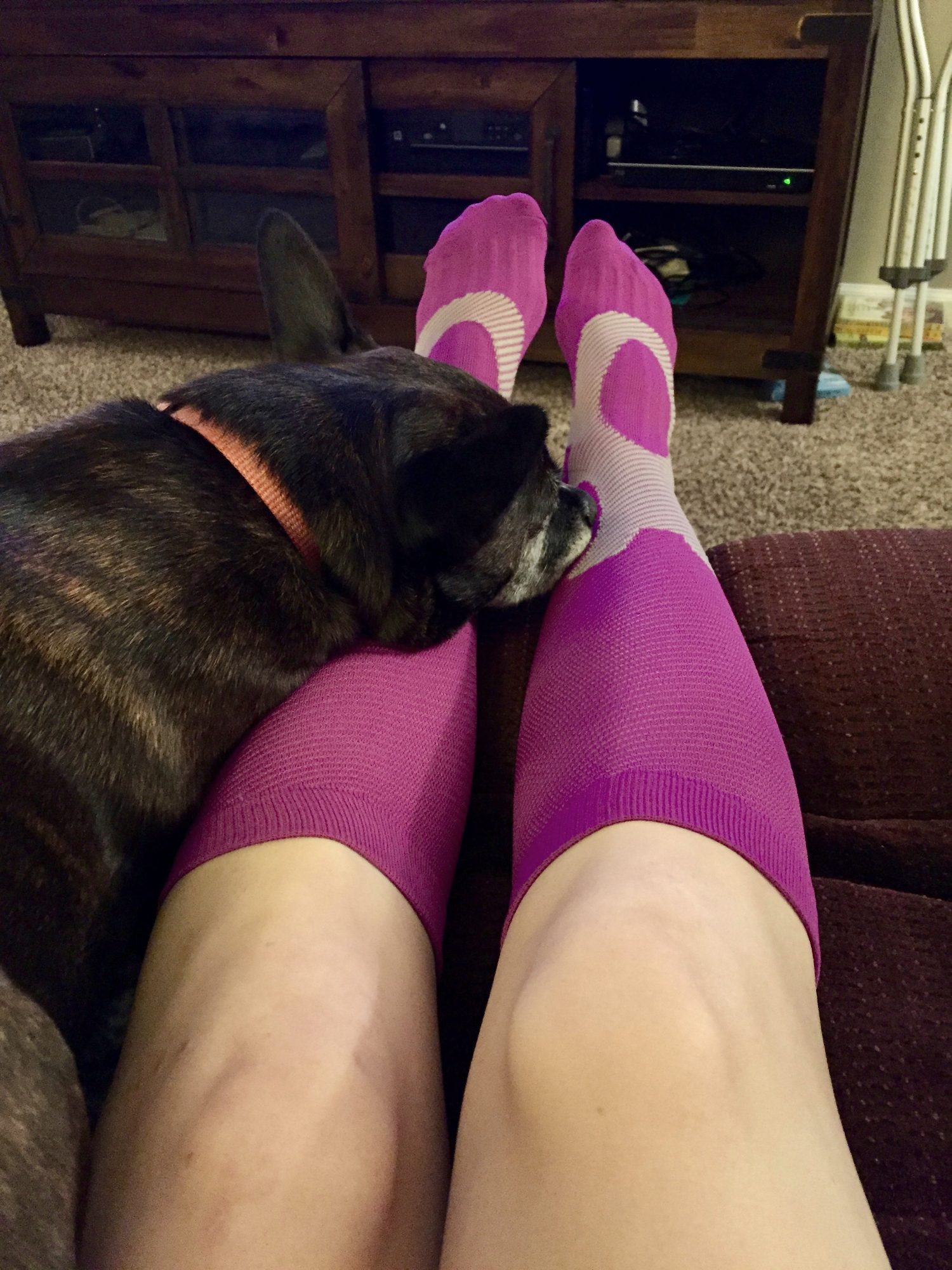
Still, there are so many positives to celebrate at the 4 week mark. I've received a lot of support from friends, family, and coworkers. This has really lifted my spirits - babies are the best medicine. Other positives include the end of the lovenox injections and being able to go longer periods without the TED hose (although I did buy a new pair in black and a pair of cute compression socks to try out). I also shaved my legs for the first time in four weeks (with help from my dad, a wooden spoon, and duck tape).
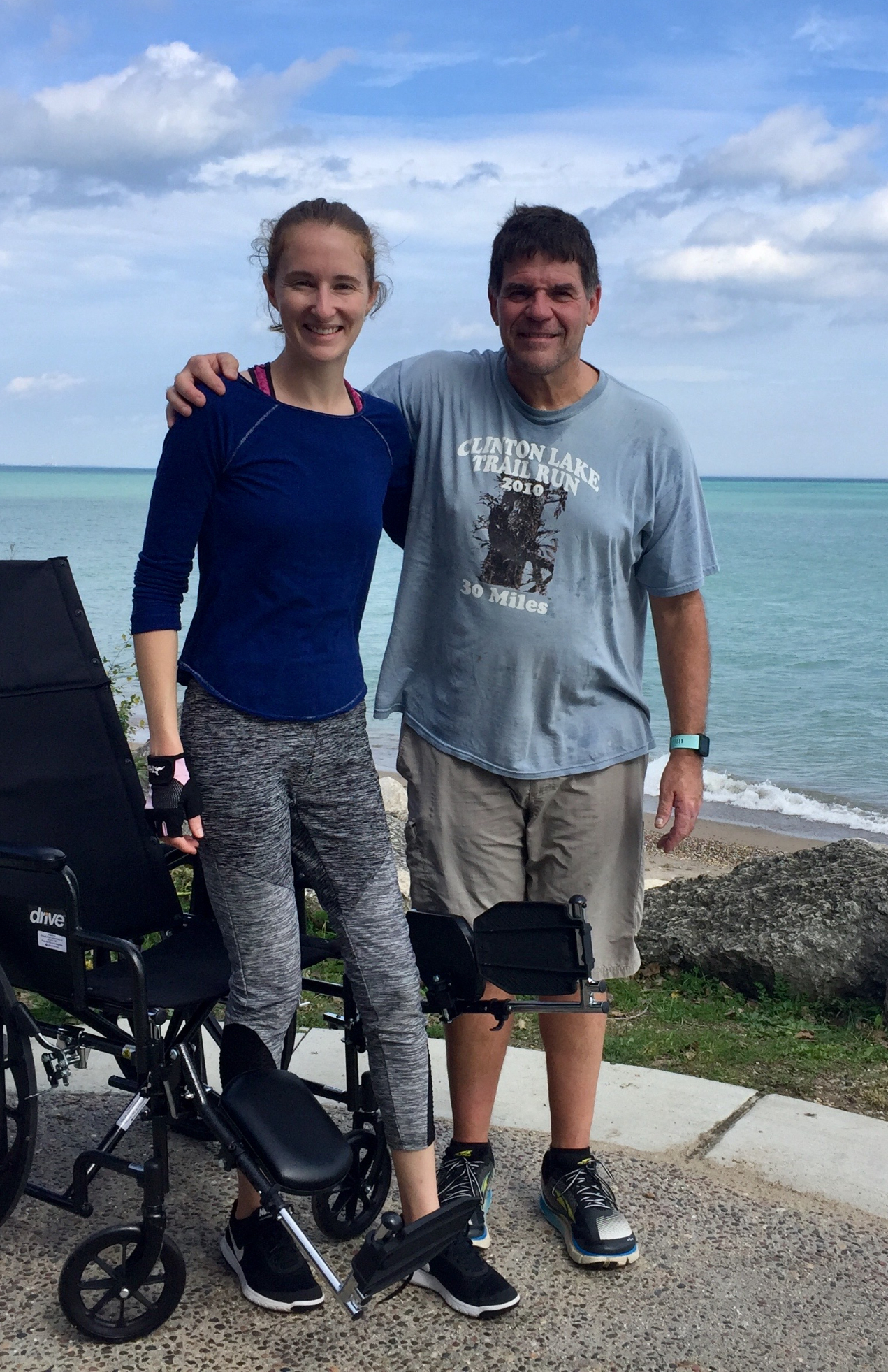
October 9th (5 weeks Post-Op): The pain is getting better every day (I stopped Tylenol after October 1st, POD 27) and I'm gaining back strength in my operative leg! My dad and I walked along the lake last week and we went with my husband to walk on a paved path in our forest preserve yesterday. The third and forth PT appointments went well. Not only was I able to do more strengthening exercises, but I didn't have much increase in pain afterwards! I even got on the upright bike during the last appointment and slowly pedaled for three minutes (no resistance of course). I am starting to notice my pre-op high hamstring, butt, and myofascialgroin muscle pain return. This is a bit disheartening but not totally unexpected due to the fact that my body is compensating for my left hip and leg even more at this stage in recovery than it was pre-op. Also, since my hip is feeling so good, its possible that I am just now really noticing the muscle pain.
October 19th (6.5 weeks Post-Op): I wanted to enjoy my last week before returning to work so I got in some pool time with my mom's help, some time with friends, and focused on physical therapy exercises and massaging my sore muscles all week. I can now lift my op leg in and out of the car and into bed much easier. I am still very cautious with the shower so my husband and I decided we better have some grab bars installed. If I were to slip, there is nothing for me to grab and the consequences could be devastating. They are coming out on Monday to install them so I'm pretty excited! Today, I did the stationary bike with some resistance for 10 minutes and then walked in the heated pool (chest-deep) without holding onto the rails. The atrophy is no joke, so I hope all is good during my next post op on October 29th and I can move forward to weight weightbearing. Any regard, I'm ready to get back to some normalcy and am looking forward to getting back to work on Monday!
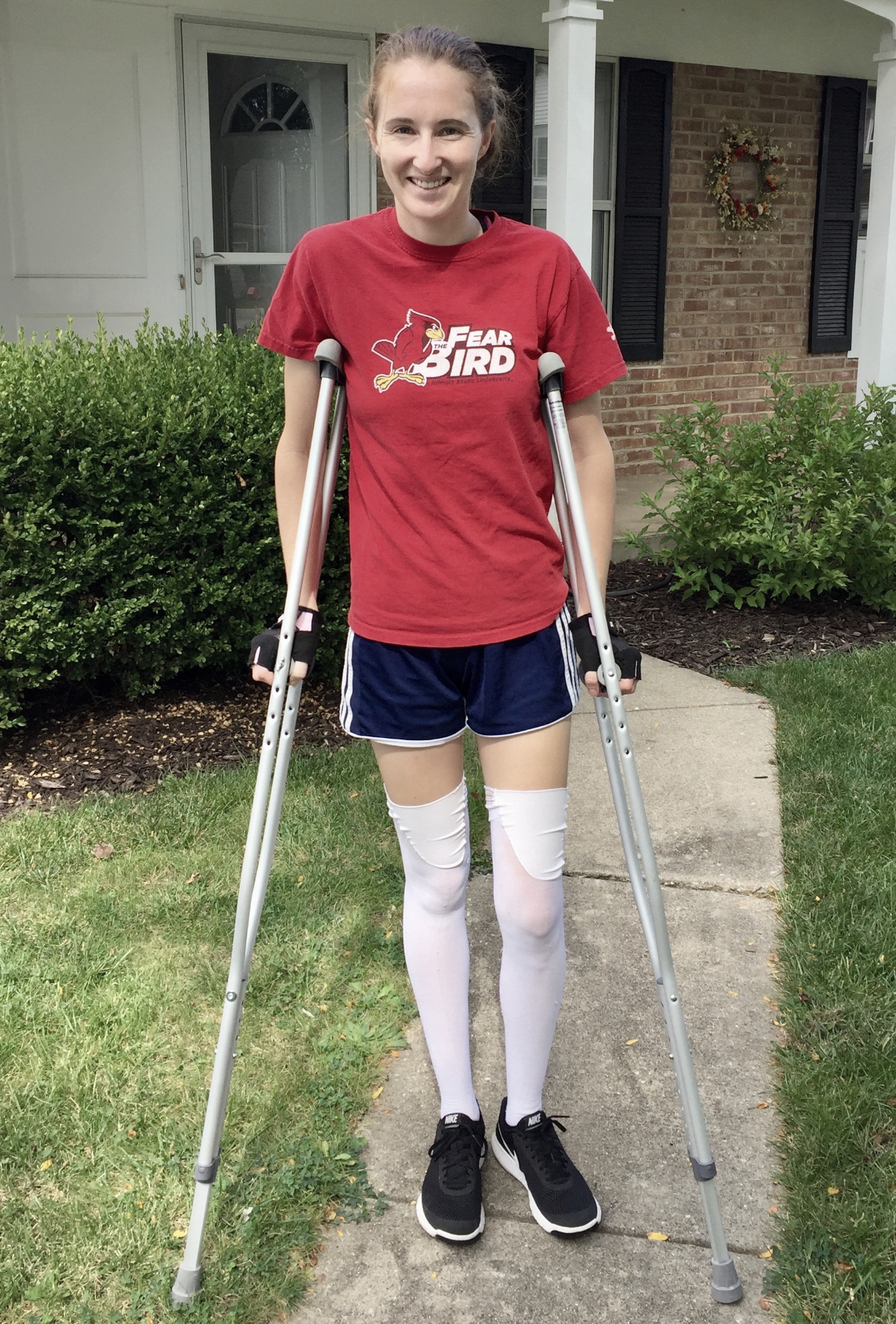
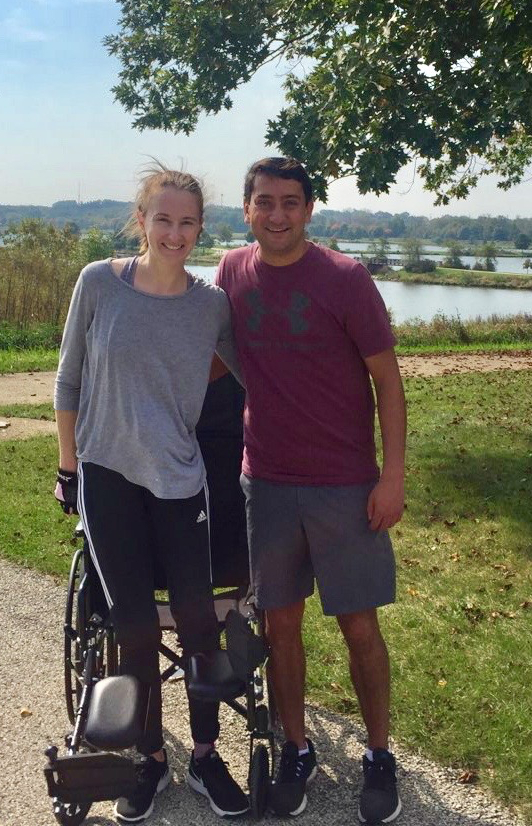
November 20th (11 weeks post op): Things have been so busy the last few weeks but recovery is still going strong. Around 7 weeks, I purchased a stationary bike for $115 and have been using that most days to get the hips moving. My 8-week post op visit showed good bone growth and I started weaning off the crutches - 50% weight bearing with crutches for two weeks, full weight bearing with crutches for one week, and now, at 11 weeks post op full weight bearing with one crutch! I've been walking slow and steady to avoid developing a limp. PT has also been going well! As I increase activity, the soft tissue massage is really helpful for glute and hamstring muscle pain.
Here are a few milestones I've had along the way!
- At 9 weeks, I had worked up to one hour with low resistance on the stationary bike
- At 10 weeks, I traveled to San Diego for a work conference and walked 10 miles over three days with two crutches
- At 11 weeks, I walked my dog for a little over a mile with one crutch, paying close attention not to limp


After a few months, I was able to get back to most everyday activities except running. I developed hip flexor tendonitis and the screws really started to bother me. It was hard for me to sleep on my left side and my right side started to bother me more. I continued with physical therapy until I decided to have my right hip arthroscopy combined with the left hip screw removal.
My hip journey continues on the next page, "Right Hip Labrum Reconstruction"! Scroll down the page to see the updates on my left hip.
-------------------------------------
Positives
- Support from my husband, mom, dad, family members, friends, and coworkers
- The power of prayer and positivity
- The extraordinary care and compassion from all medical staff in the clinic and hospital
- The turning point in pain management starting around POD 9
- How mobile I was able to be after a few days from the surgery
Challenges
- Several episodes of unbearable pain in the hospital
- Sleep issues after returning home - back sleeping is not my friend
- One-month blood clot prevention protocol (lovenox injections and TED hose)
- Two episodes of loosing my balance and putting way too much weight on my op leg (followed up with ice and medication)
- Managing pain in the first 4 weeks as needed in regards to deciding the minimal amount and type of pain medication needed for basic mobility and being able to sleep (with the complicating factor that NSAIDS, such as Aleve or Ibuprofen, can hinder bone growth so are discouraged)
Tips and Tricks
- Reacher and small moveable carts are great for recovery
- I used both the walker and crutches from the start (the walker was great for the bathroom, sitting down/standing up in the first couple of weeks, and getting dressed but crutches are much faster and easier to maneuver around)
- If possible, do some upper body and core strength training prior to surgery
- The reclining wheelchair was great for walks and for my husband to wash my hair - we have a bike path by our house so it felt good do something physically active outside
- Round the clock care for at least the first 2-4 weeks
- Record your medication intake (have someone else do this for you if necessary in the beginning)
- Have small snacks available with your medication bin if needed to be taken with pain medication
- Gel ice packs, ice and elevate a lot in the beginning and always after PT, exercises, and crutching around
- Get outside at least once per day when possible
- Take things from the hospital (lol) - don't leave any kind of equipment behind that is just going to be tossed out anyway like if you had a foam leg wedge; also grab or request a little medical tape, extra bandages, wipes, etc.
- Bring special foods you like to the hospital, comfortable blanket and a couple of pillows
- Amazon prime (haha, 2-day delivery for things you need and music/TV/movie options)
- Rub numb areas lightly and often, use scar cream once able
- I found my pharmacist helpful and accessible for answering some medication questions
- Have your out-patient physical therapist evaluate and correct how you are using your crutches during your first PT appointment
- Family members might consider taking some type of cold-ez (my husband got a nasty cold from being in the hospital and stress)
(Last updated May 31, 2019)